Nearly 20 years ago, the mortgage crisis led to a slew of abandoned homes that ended up as vacant lots. The City’s infill housing program is bringing new life to those lots and neighborhoods.
By Sharon Holbrook

Builder Ishmael Martin (left) and Kyle Krewson, director of building and housing for the City of Shaker Heights on the porch of a recently completed home by Martin. Photos by Jason Miller.
When you think of new housing construction in Shaker Heights, you might think of the Raye apartment building recently completed across from the Van Aken District. But that’s not the only game in town: “infill” homes are also cropping up across Shaker, joining established neighborhoods and providing unique opportunities to buy or build a new custom home here.
In the early 2000s, there were very few vacant lots in Shaker Heights. But the 2008 mortgage and foreclosure crisis changed that. Some owners, many of whom were out-of-state investors, abandoned distressed properties and left them to further deteriorate. The Moreland neighborhood was particularly hard-hit. For over 200 houses in Shaker, city demolition was the only practical answer, says Kyle Krewson, director of building and housing for the City of Shaker Heights.
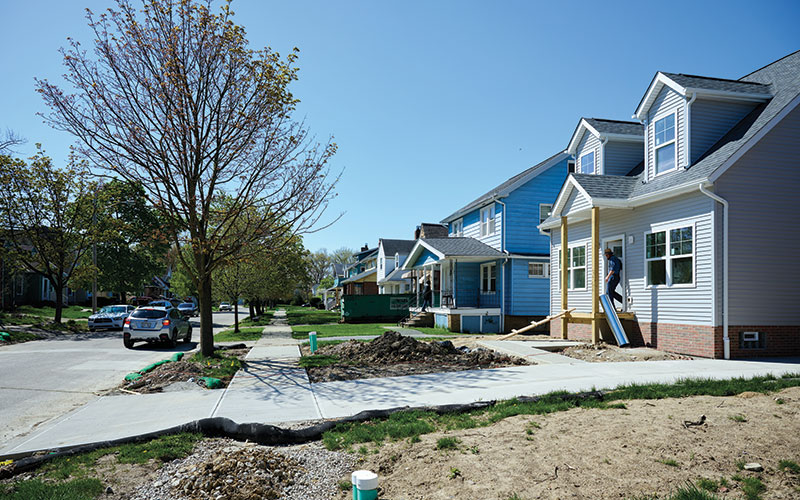
These days, if the City demos three houses in one year, that’s a lot. The focus now is on building and reinvesting – already, over a dozen homes have been built and about a dozen more are currently under construction. The City owns more than 200 vacant lots as of this writing, but it’s not simply going to sell them off on the open market. Instead, it’s taking a more deliberate approach and focusing on building homes that are a good fit with existing houses and neighborhoods.
So what does a “good fit” mean?
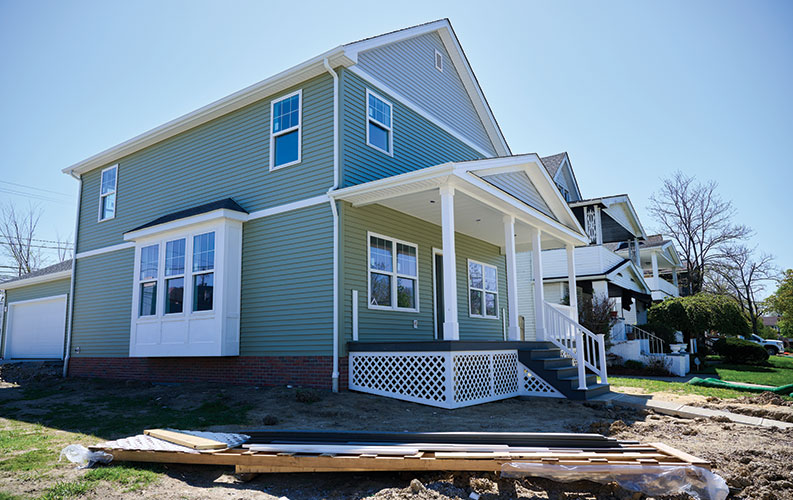
First, it means that residents have had a chance to weigh in on design. In 2015, the City held a design competition for prospective builders. Neighborhood residents voted on designs, and these preferences led to the City’s guidelines for infill housing and how the Architectural Board of Review evaluates plans for new homes. For example, guidelines dictate that new houses can’t have an exposed concrete foundation. Instead, foundations must be wrapped in brick to blend with surrounding historic homes.
Good fit also means that infill builders must be approved by the City of Shaker Heights. In collaboration with partners such as First Suburbs Consortium and the Cuyahoga Land Bank, the City has reached out to builders who can work with the City’s guidelines and build in accord with the character of the neighborhoods. The City has now approved six private developers to build in Moreland, up from two only two years ago, and is focused on engaging with more minority developers. “We’re focused on ensuring our developers reflect the values of the neighborhood. All developers thus far have a local presence to the community,” says Krewson.
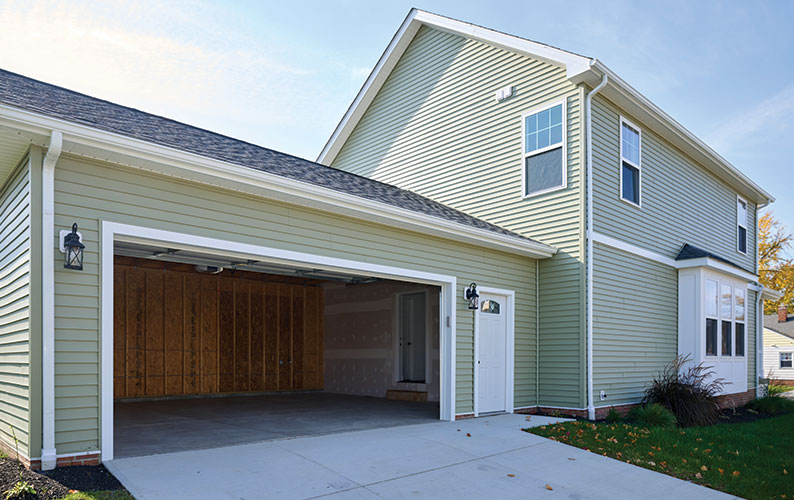
A new infill home in Moreland.
Homegrown Investment
Shaker has reached out to builders who can work with the City’s guidelines and build in accord with the character of the neighborhood.
One of the city’s approved builders is Ishmael Martin, a 2006 graduate of Shaker Heights High School who is building six homes on Sudbury Road. Martin says he’s appreciated the ongoing communication with neighbors, including multiple meetings with Moreland on the Move community association, and he says he’s getting positive feedback from residents about the new construction on the street. Four of the six new Cape Cod and colonial homes, some of which include a first-floor primary bedroom and bath, have been completed as of this writing and are selling for around $300,000. Owner-occupants of these new homes in the southern Moreland neighborhood will be eligible for a 10-year, 100% tax abatement on the new construction.
Keeping the Balance on Value
New construction in historic neighborhoods is a balance because new homes with high design standards are inherently more expensive than surrounding existing homes due to ever-rising construction and material costs, even with the City selling the lots for just one dollar each to approved builders. When these types of investments are made in historic neighborhoods, there are natural fears of gentrification and displacement. The City continues to hold community meetings and seek community feedback from neighbors in Moreland as projects progress.
Although most of Shaker has recovered, values of existing homes still have not completely bounced back from the housing crisis in the Moreland neighborhood. The City hopes that new infill homes will provide a sustainable boost to overall values in the neighborhood while existing houses remain relatively affordable. Krewson adds that when county property tax appraisals are done, older homes are only compared to older homes, and newer homes are only compared to newer homes. It’s a complex process, but homeowners’ tax valuations should not see a jump simply because there is a costlier new home on the street. The recent rise in appraised values was not a result of the new infill homes, but rather part of a larger trend across the state of rapidly rising home values.
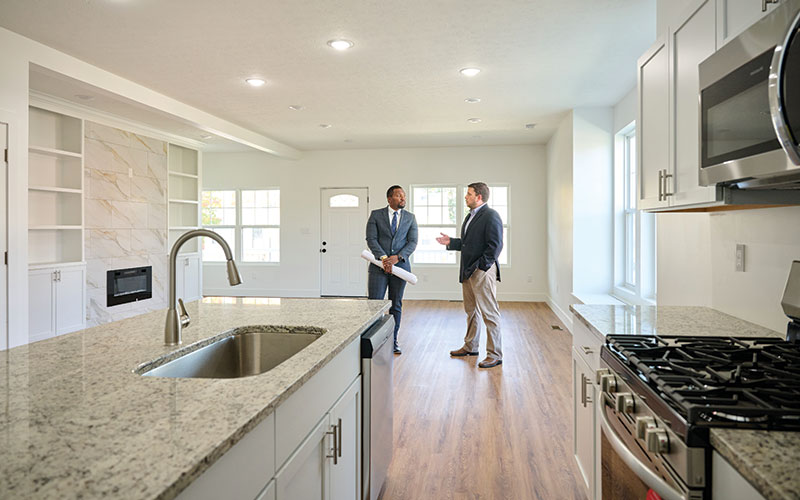
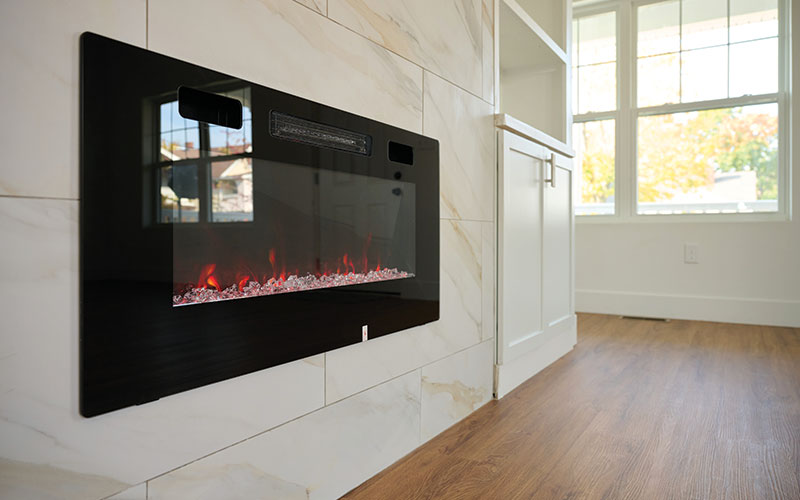
What’s next for infill housing? The City continues to solicit input from residents, and it is hearing continued desire for aging-in-place options (first-floor living) as well as affordable housing options. For his part, Martin is eager to build again in Shaker after he “completes the street” by filling the remaining six vacant lots on Sudbury Road with his new homes. Martin plans for his next phase to be eight homes on Pennington Road. Watch the City’s e-newsletter and website for further information.
Learn more about infill housing at shakerheightsoh.gov/infill.